Estate jewelry is one of the most romantic categories in all of fine jewelry—and one of the most misunderstood.
Whether you’ve spotted a stunning antique ring in a display case or heard the term tossed around at an estate sale, you may be wondering: what exactly is estate jewelry?
Simply put, estate jewelry refers to any previously owned fine jewelry, regardless of age. It can be a Victorian mourning brooch, a mid-century modern cocktail ring, or even a piece from just a decade ago. What makes it special isn’t just the age—it’s the story, the craftsmanship, and the singular beauty that only time can create.
At Maxon, The Jeweler of the Ozarks, we believe estate jewelry is more than a purchase. It’s a connection to history, and a gift that carries meaning before you’ve even wrapped it.
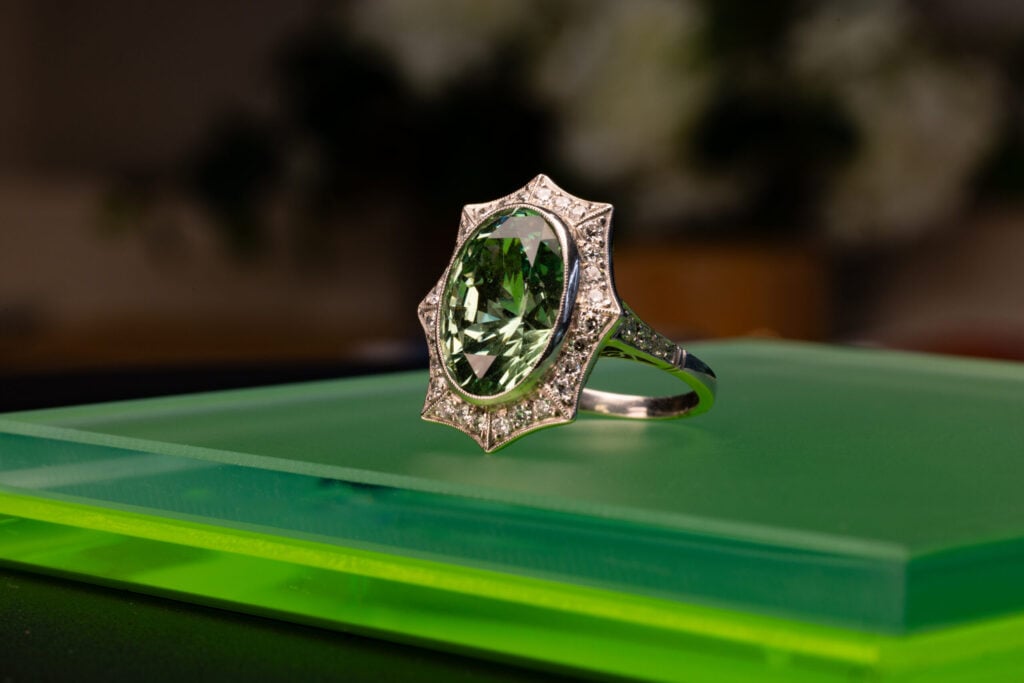
What Is Estate Jewelry, Exactly?
The world of pre-owned fine jewelry can feel overwhelming at first. But once you understand the basics, it becomes one of the most exciting ways to shop.
Estate jewelry is broadly defined as any fine jewelry that has had a previous owner. It exists across several distinct categories, each with its own personality and price point:
- Estate jewelry (general)—any previously owned piece, regardless of era
- Antique jewelry—pieces that are 100 or more years old, often from the Victorian, Edwardian, or Art Nouveau periods
- Vintage jewelry—typically from the 1920s through the 1980s, including Art Deco, Retro, and Mid-Century Modern styles
- Pre-owned or pre-loved jewelry—contemporary fine jewelry that has simply changed hands
Understanding these distinctions helps you shop with confidence. When you walk into Maxon, our team is here to walk you through every nuance so you find exactly what speaks to you.
Why Buy Estate Jewelry?
There’s a reason estate jewelry has captured the hearts of collectors, romantics, and savvy shoppers for generations. The value goes far beyond the price tag.
Estate jewelry offers something that brand-new pieces simply cannot: a sense of history. Each ring, bracelet, or necklace has already lived a life. It has marked a moment, graced an occasion, and been treasured by someone who loved it deeply.
When you choose estate jewelry, you’re not just wearing a beautiful piece—you’re continuing its story.
Beyond sentiment, there are very practical reasons to consider estate jewelry:
- Exceptional craftsmanship—older pieces were often made by hand, with techniques and attention to detail rarely seen in mass production today
- Unique designs—you’re unlikely to find another piece exactly like it, making it truly one-of-a-kind
- Strong value—estate jewelry is often priced below comparable new pieces, offering remarkable quality at a better value
- Sustainability—choosing pre-owned fine jewelry is an environmentally conscious decision that extends the life of precious metals and stones
- Character and patina—the subtle signs of age add depth and authenticity that new jewelry can’t replicate
How to Evaluate Estate Jewelry Quality
Not all estate jewelry is created equal and knowing what to look for can make all the difference. A well-trained eye—and a trusted jeweler—are your greatest assets.
When evaluating any piece of estate jewelry, there are a few key factors to consider. First, examine the metal quality. Look for hallmarks stamped inside rings or on clasps—these indicate metal purity and can also help date a piece. Common marks include 14K, 18K, 925 (sterling silver), and platinum stamps.
Next, consider the gemstones. Older stones were often cut by hand, resulting in shapes that differ from modern cuts. A rose-cut diamond, for instance, has a flat bottom and a domed, multi-faceted top—a hallmark of Georgian and Victorian jewelry. These cuts have tremendous character and are highly sought after by collectors.
Finally, assess its overall condition. Minor wear is expected and normal in estate pieces. What you want to avoid is structural damage: cracked prongs, broken clasps, or compromised settings. A reputable jeweler will always disclose any issues and can often restore a piece to its full glory.
At Maxon, The Jeweler of the Ozarks, every estate piece in our collection has been carefully evaluated for quality, authenticity, and wearability. You shop with confidence knowing we’ve done the homework.
The Most Iconic Eras of Estate Jewelry
Part of the magic of estate jewelry is how distinctly each era left its mark on design. The period a piece comes from tells you something about the world it was made in—and the person it was made for.
- Victorian Era (1837–1901): Named for Queen Victoria, this era is known for sentimental, symbolic jewelry. Lockets, cameos, and mourning jewelry were common, as were nature-inspired motifs like flowers, serpents, and birds. Victorian jewelry often features rose gold, yellow gold, and deep gemstones like garnets, amethysts, and seed pearls.
- Edwardian Era (1901–1915): Delicate and ethereal, Edwardian jewelry is lace-like in its intricacy. Platinum became widely used for the first time, allowing for incredibly fine filigree work. Diamonds and pearls dominated this era, and pieces from this period have a lightness and femininity that feels timeless.
- Art Deco (1920s–1930s): Bold, geometric, and glamorous. Art Deco jewelry broke from soft Victorian curves and embraced sharp lines, symmetry, and bold color contrasts. Onyx, coral, jade, and emeralds paired with diamonds are hallmarks of this exciting era—think Gatsby-era grandeur set in platinum.
- Retro (1940s): Wartime restrictions on platinum led to a resurgence of yellow and rose gold. Retro jewelry is large, bold, and cinematic—think Hollywood starlets and oversized floral brooches. This era is rich with personality and whimsy.
- Mid-Century Modern (1950s–1960s): Clean lines, sculptural forms, and architectural shapes define this era. Mid-Century pieces feel fresh even today, with a minimalist sensibility that appeals to modern tastes.
Each of these periods represents a chapter in jewelry history. Choosing a piece from a particular era is its own kind of storytelling.
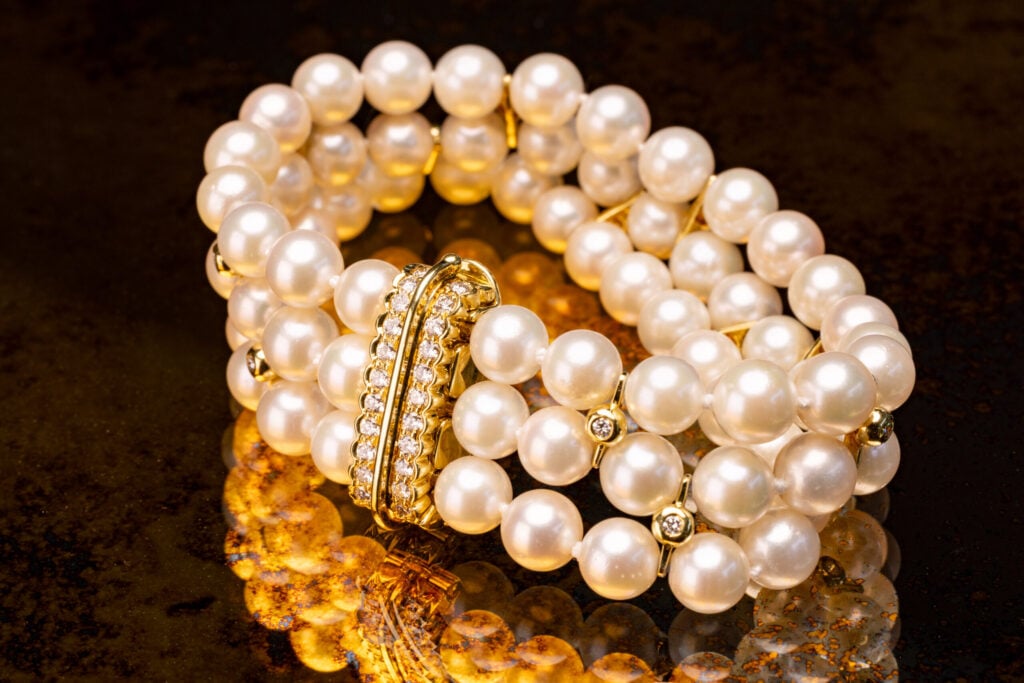
How to Shop for Estate Jewelry at Maxon
Shopping for estate jewelry is a deeply personal experience—and it should feel that way. The best approach is always to come in, try pieces on, and let yourself be drawn to what speaks to you.
Our team of expert jewelers is here to guide you through our estate collection with patience, knowledge, and genuine care. We’ll share the history of each piece, answer your questions about quality and value, and help you find the one that feels like it was always meant to be yours.
Here’s what to expect when you shop estate jewelry at Maxon:
- Personalized guidance—our jewelers know these pieces intimately and love sharing their stories
- Transparent pricing—no guesswork, no pressure; just honest, expert advice
- Authentication and provenance—we source responsibly and stand behind everything we sell
- Cleaning and restoration services—if a piece needs a little love, we can make it shine again
- Custom fittings—estate rings can be sized to fit; we handle all alterations in-house
We believe the right piece of jewelry doesn’t just match your style—it matches your soul. Come find yours at Maxon Fine Jewelry in Springfield, Missouri.
Frequently Asked Questions About Estate Jewelry
Estate jewelry comes with a lot of questions—and that’s a good thing. It means you’re shopping thoughtfully. Here are the answers to the questions we hear most often at Maxon.
Is estate jewelry the same as antique jewelry?
Not exactly. All antique jewelry is estate jewelry, but not all estate jewelry is antique. “Estate” simply means previously owned. “Antique” refers specifically to pieces that are 100 or more years old. A piece from the 1990s can be estate jewelry—it just wouldn’t be considered antique.
Does estate jewelry come with any guarantees?
At Maxon, The Jeweler of the Ozarks, every piece in our estate collection is evaluated for quality and authenticity before it ever reaches our cases. We stand behind what we sell, and our team is always available to answer questions about any piece’s condition, history, or value.
Can estate jewelry be resized or altered?
In most cases, yes. Rings can typically be sized up or down, and many other pieces can be adjusted or restored. Our bench jeweler handles alterations with care, always working to preserve the integrity and character of the original piece.
How do I know if an estate piece is a good value?
Estate jewelry is often priced below comparable new pieces because it is pre-owned—but the quality, craftsmanship, and gemstones are just as real. Our team can walk you through the factors that determine value, including metal purity, stone quality, era, and condition, so you always feel confident in your purchase.
Is estate jewelry a good gift?
It’s one of the best. Estate jewelry is personal, unique, and layered with meaning in a way that mass-produced pieces simply aren’t. For milestone occasions like Mother’s Day, birthdays, anniversaries, or graduations, a piece of estate jewelry says something lasting—because it already has lasted.
What if I have estate jewelry I’d like to sell or consign?
Maxon welcomes those conversations. If you have fine jewelry you’re ready to part with, our team can discuss your options. We treat every piece—and every person—with respect and transparency.